
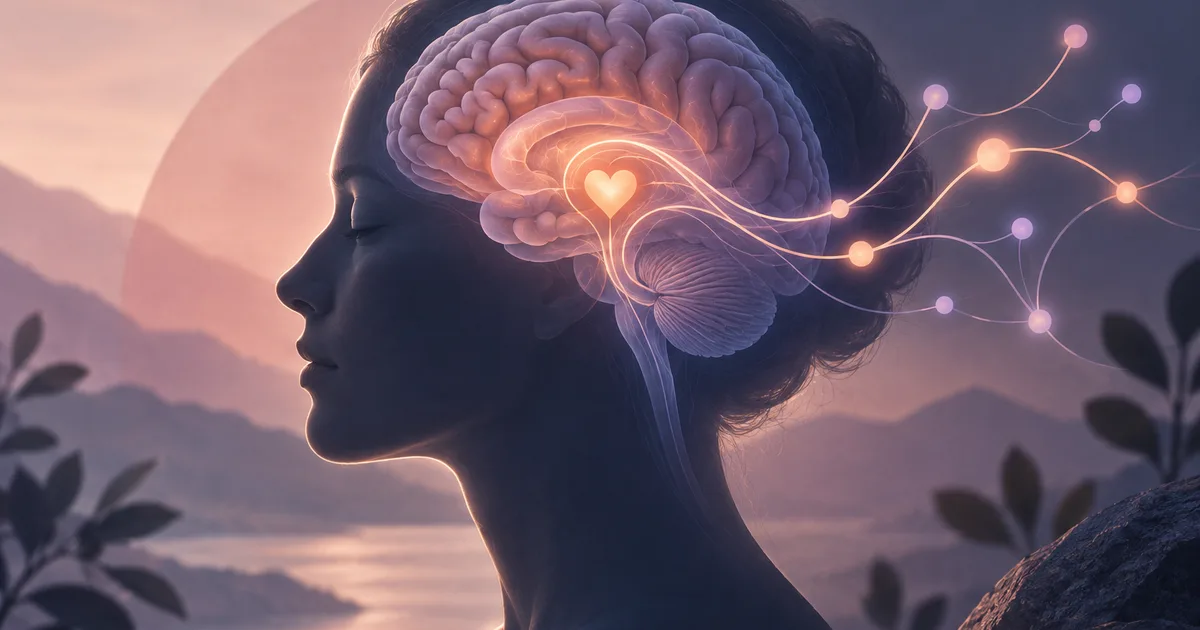
The Science of Kissing: What Happens in Your Brain + AI Kiss Videos
Have you ever wondered what part of the brain kissing comes from? That rush of warmth, the flutter in your chest, the way time seems to slow down — none of that is accidental. Kissing triggers one of the most complex neurological events your brain can experience. From the somatosensory cortex firing at full capacity to a flood of bonding chemicals surging through your bloodstream, the science behind a kiss is as extraordinary as the feeling itself. In this guide, we break down exactly what your brain is doing when you kiss — and how modern AI technology lets you recreate those magical moments on screen.
What Part of the Brain Does Kissing Come From?
When people ask "what part of the brain does kissing come from," the answer involves multiple interconnected regions working simultaneously rather than a single source.
Somatosensory Cortex
Your lips contain one of the densest concentrations of sensory nerve endings in the entire human body — among the most sensitive areas of the human body, far more sensitive per square centimeter than your fingertips. The somatosensory cortex, the brain's sensory processing hub located in the parietal lobe, devotes a disproportionately large area to processing lip sensations. This is why a kiss feels so vivid and immediate.
The Limbic System
The limbic system — your brain's emotional core — activates powerfully during a kiss. Structures within the limbic system, including the amygdala and hippocampus, process the emotional intensity and form lasting memories associated with kissing. This is why your first kiss remains so clearly encoded in memory decades later.
The Insula
The insular cortex, or insula, integrates sensory information with emotional experience. It connects the physical sensation of lip contact with feelings of intimacy, vulnerability, and closeness. The insula is also involved in reading social cues, which explains why kissing feels so interpersonal and communicative.
The Prefrontal Cortex
The prefrontal cortex governs decision-making and social behavior. During a kiss, activity in this region can actually decrease — which explains why rational thinking takes a back seat when you are caught up in the moment. This neural quieting is part of what makes kissing feel spontaneous and emotionally consuming.
Together, these regions create the rich, multidimensional experience of kissing. The brain does not process a kiss as a single event — it processes it as a full-body emotional narrative.
The Chemical Cocktail: Dopamine, Oxytocin, Serotonin, and Adrenaline
Kissing triggers a precise cascade of neurochemicals. Each plays a distinct role in shaping how you feel.
| Chemical | Source | Primary Effect | The Feeling |
|---|---|---|---|
| Dopamine | Ventral tegmental area | Reward signaling | Pleasure, craving, motivation |
| Oxytocin | Hypothalamus | Bonding and trust | Warmth, closeness, attachment |
| Serotonin | Raphe nuclei | Mood regulation | Contentment, emotional stability |
| Adrenaline | Adrenal glands | Arousal response | Elevated heart rate, excitement |
| Cortisol | Adrenal cortex (reduced) | Stress hormone | Stress reduction after kissing |
| Endorphins | Pituitary gland | Pain modulation | Euphoria, comfort |
Dopamine fires first, creating the intense reward signal that makes kissing feel so pleasurable and motivating. Oxytocin follows, deepening emotional bonding between partners. Serotonin stabilizes the mood, while adrenaline adds the physical edge of excitement. The net result is a neurochemical cocktail unlike almost anything else the brain naturally produces.
Why Kissing Feels So Good: The Neuroscience Explained
The extraordinary sensation of kissing comes down to neurological density and chemical timing.
Your lips contain mechanoreceptors, thermoreceptors, and nociceptors — nerve endings that detect touch, temperature, and pressure simultaneously. When lips meet, all three systems fire at once, sending dense parallel signals to the somatosensory cortex. The brain interprets this as an unusually rich and significant sensory event.
At the same time, the hypothalamus — which regulates hormone release — begins the oxytocin cascade. Oxytocin is sometimes called the "bonding hormone" because it promotes feelings of safety and attachment. Research published in peer-reviewed journals has shown that oxytocin levels rise measurably after kissing, particularly in romantic relationships.
The dopamine release that occurs during kissing activates the same reward pathway that responds to food, music, and social connection. This is not metaphorical — the nucleus accumbens, your brain's primary reward center, genuinely activates during a meaningful kiss, producing the same category of neural response as other deeply satisfying experiences.
How Kissing Affects Your Health
The neurological activity triggered by kissing produces measurable physical health benefits.
Stress Reduction
Kissing lowers cortisol levels, the body's primary stress hormone. Research has found that couples who increase their frequency of kissing report significant reductions in perceived stress and improvements in relationship satisfaction.
Immune System Modulation
Saliva exchange during kissing introduces novel microbiota, which research suggests may contribute to immune system diversity over time. Studies have indicated that couples who kiss frequently share similar oral microbiome compositions.
Cardiovascular Effects
The adrenaline released during a kiss increases heart rate and dilates blood vessels. Regular kissing has been associated with lower cholesterol levels and reduced blood pressure in some observational studies.
Pain Reduction
Endorphins released during kissing act as natural analgesics. The same pathway that produces runner's high can be mildly activated through intimate physical contact, including kissing.
Mood Elevation
The combined effect of dopamine and serotonin creates a natural mood lift. Even brief kissing has been shown to elevate mood scores in self-reported studies.
The Evolutionary Purpose of Kissing
From an evolutionary perspective, kissing serves as a sophisticated compatibility assessment mechanism.
Researchers at Oxford University, including Robin Dunbar, have proposed that kissing allows individuals to gather chemosensory information about potential partners. Saliva contains traces of testosterone, cortisol, and immune markers. The proximity required for kissing allows the olfactory system to process pheromone signals that influence subconscious attraction assessments.
Philematology — the scientific study of kissing — has found that a majority of human cultures practice some form of lip-to-lip kissing, suggesting it serves a universal social and reproductive function. The fact that your brain dedicates so much sensory real estate and neurochemical output to this behavior reflects millions of years of evolutionary reinforcement.
Types of Kisses and Their Different Brain Responses
Not all kisses activate the brain in identical ways. The context and type of kiss shapes the neurological response.
Forehead Kiss: Triggers oxytocin-dominant response. Associated with protective bonding and parental affection. Activates limbic regions without strong dopamine surge.
Quick Peck: Brief somatosensory activation. Mild dopamine response. Functions primarily as social bonding signal rather than romantic stimulus.
Romantic Lip Kiss: Full activation across somatosensory cortex, limbic system, and reward pathways. Dopamine, oxytocin, and adrenaline all elevated. Most neurologically complex kiss type.
French Kiss (Deep Kiss): Maximum sensory engagement. Taste receptors, olfactory signals, and touch systems all activated simultaneously. Strongest chemosensory information exchange. Related to the AI French Kiss Video Generator content our platform creates.
Goodbye Kiss: Contextually driven by anticipation of separation. Oxytocin response often stronger relative to dopamine — the brain prioritizes bonding over reward when separation is imminent.
Capture the Magic: Create AI Kiss Videos
Understanding the neuroscience of kissing reveals why these moments hold such emotional weight. A kiss is not simply a physical gesture — it is a complete neurological event that forms memory, deepens attachment, and shapes how people feel about each other.
AIKissVideo.app was built around this understanding. The platform uses advanced AI video generation to create realistic, cinematic kiss moments from photos you provide. Whether you want to visualize a romantic scene, create a gift for someone you love, or explore creative content, the technology translates static images into emotionally resonant video sequences.
The process is straightforward: upload your photos, select the style and effect that fits the moment, and the AI generates a video that captures the warmth and intimacy the science tells us makes kissing so powerful.
For creative content creation, you can also explore the AI Kissing Picture Generator to create still imagery, or use the full video generation suite to produce dynamic romantic clips.
If you are looking for ideas for occasions, the guide on AI Kiss Video Valentine's Day Ideas offers specific approaches for using AI video generation for meaningful moments.
For a broader look at romantic AI video possibilities, AI Couple Video Kiss Hug Dance Effects covers the range of effects available on the platform.
The Future of AI and Emotional Content Creation
The convergence of neuroscience and AI is creating new possibilities for how people capture and share emotional experiences.
As AI video generation technology matures, the gap between imagined emotional moments and visual representation continues to narrow. Tools that once required professional filmmakers and actors to produce a single romantic scene can now be operated by anyone with a smartphone and a photograph.
This has implications beyond entertainment. Researchers are beginning to explore whether AI-generated emotional content can produce some of the same neurochemical responses as observing real emotional events — our brains, after all, respond to perceived social and emotional cues regardless of whether they are happening in physical reality or on screen.
For creators, couples, and individuals who want to document or imagine meaningful moments, AI kiss video technology represents a genuine shift in what is accessible. The science of why kissing matters neurologically is the same science that makes a well-crafted AI kiss video emotionally resonant when you watch it.
Curious about the step-by-step process? The guide on How to Make Two People Kiss AI walks through the full workflow from photo selection to final video output.
Frequently Asked Questions
What part of the brain controls kissing?
Kissing is not controlled by a single brain region. The somatosensory cortex processes the intense physical sensation from your lips. The limbic system handles the emotional response and memory formation. The insula integrates sensation with feelings of intimacy. The hypothalamus triggers hormone release. The prefrontal cortex, notably, partially deactivates — which is why kissing feels so emotionally overwhelming and less rational than normal behavior.
Why does kissing release dopamine?
Kissing activates the brain's mesolimbic reward pathway, which includes the ventral tegmental area and nucleus accumbens. This pathway is the same reward circuit activated by food, music, and other pleasurable stimuli. The brain classifies a meaningful kiss as a significant reward, triggering dopamine release to reinforce the behavior.
Is oxytocin actually released when you kiss?
Yes. Multiple studies have documented measurable oxytocin increases following kissing between romantic partners. Oxytocin is produced in the hypothalamus and released by the pituitary gland. Its release during kissing promotes feelings of bonding, trust, and emotional closeness — which is why kissing deepens attachment in relationships.
Does the brain respond differently to romantic versus non-romantic kisses?
Research suggests yes. Romantic kisses produce stronger dopamine and adrenaline responses due to their association with attraction and desire. Non-romantic kisses — such as parental kisses or greetings — tend to produce oxytocin-dominant responses with less dopamine involvement. The brain's interpretation of context significantly shapes the neurochemical response.
Can watching a kiss produce brain activity similar to experiencing one?
The brain's mirror neuron system responds to observed social and emotional behaviors, including physical affection. While watching a kiss does not produce the full neurochemical cascade of experiencing one, it does activate related neural circuits in the limbic and reward systems — which is part of why romantic films and AI kiss videos feel emotionally engaging.
How long do the neurological effects of a kiss last?
The acute chemical surge — particularly dopamine and adrenaline — peaks within seconds and subsides within minutes. Oxytocin effects on mood and bonding can persist for hours. The memory encoding triggered by an emotionally significant kiss, mediated by the hippocampus and amygdala, can last a lifetime.